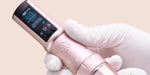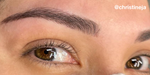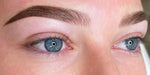
“Safe PMU” isn’t just a trendy tagline—it’s a real, measurable standard built on sterile practices, high-quality pigments, and controlled technique. And because your results are only as safe as the tools behind them, devices like Microbeau’s machines play a bigger role than most people realize, delivering consistent, precise strokes that help reduce unnecessary trauma and support clean, confident work.
Is Permanent Makeup (PMU) Safe?
Yes—when performed by a trained, certified professional who prioritizes cleanliness, uses high-quality products, and takes time to consult with you beforehand.
PMU is a form of cosmetic tattooing, but it’s applied more gently than traditional tattoos. That lighter technique allows for precise, natural-looking results while minimizing risk, especially when both you and your provider follow best practices before, during, and after your appointment.
What Makes PMU Safe?
Safe permanent makeup comes down to three things:
- Skilled techniques
- Sterile procedures
- and quality materials
When all three are in place, you can feel confident about your treatment.
Pigments and ingredients that support safe permanent makeup
PMU safety begins with what’s being placed in your skin. High-quality PMU pigments are specifically designed for delicate facial areas. Unlike traditional tattoo ink—which is heavier and made to last indefinitely—PMU pigments are lighter, more refined, and designed to fade gradually for a softer, more natural look. Top-tier artists stick with trusted names like Evenflo and Perma BlendOpens a new window.
Reputable pigments should always come with proof of safety, such as:
- Lot numbers and expiration dates
- Ingredient documentation (Safety Data Sheets)
- Testing verification showing they meet safety standards
If this information isn’t available, that’s a red flag.
On-Bottle Evidence of Safe Formulation:
Curious about what’s in the pigment going into your skin? A qualified, professional artist will be happy to share these details with you (as well as the brand).
- Lot numbers and expiry dates on the bottles.
- Safety Data Sheets (SDS), which give you a full breakdown of the ingredients.
- Testing documentation showing the pigments have passed all safety checks.
Patch testing and sensitivity checks
Most people tolerate PMU pigments well, but if you have sensitive skin or allergies, a patch test is a smart precaution. This involves placing a small amount of pigment or numbing product on a discreet area of skin—often behind the ear or on the inner arm—to check for reactions.
Patch tests help you and your provider spot potential sensitivities ahead of time, so you can move forward feeling informed, prepared, and confident.
Sanitation standards that should be non-negotiable
A safe studio should look and feel as clean as a doctor’s office. These hygiene standards aren’t optional—they prevent infection, ensure a safe procedure, and set you up for an optimal healing process and stunning results. Results that stay stunning for a long time. Here’s what you should expect from a qualified PMU artist:
- Single-use, sterile needles: Every needle should be brand new, opened right in front of you, and never reused.
- Barrier film and machine covers: Anything the artist touches, like the machine, cords, or tray, should be wrapped in disposable plastic.
- Handwashing and new gloves: Your artist should wash their hands well and put on fresh gloves several times during your appointment.
- Surface disinfection: All furniture and work surfaces must be wiped down with hospital-grade disinfectant between every single client.
- Clean field setup: Small items such as ink caps, wipes, and applicators must be brand-new and disposed of immediately after your procedure.
Permanent Makeup Risks

Every permanent makeup procedure involves some level of risk. Most issues are completely avoidable, but you should know what to look out for before you commit to a session.
The most common risks
Many people get PMU procedures every day with no trouble at all, but sometimes things don’t go as planned if an artist doesn’t follow appropriate standards. Here are the most common risks to keep in mind:
- Infection: Again, as mentioned above, this is the biggest concern, but it’s also the easiest one to avoid. Infections usually happen if the artist’s setup isn’t fully sterilized or if you touch your healing skin with unwashed hands.
- Allergic or irritation reactions: Some people just have sensitive skin. You might notice a little reaction to the pigment or the numbing cream used to keep things comfortable.
- Poor color retention or patchy healing: This usually happens if the artist’s technique isn’t quite right for your skin or if aftercare instructions aren’t followed closely.
- Color shifts: You’ve probably seen old permanent makeup that turned blue, purple, or orange. This happens when low-quality pigments are used or the ink goes too deep. When artists choose top-quality pigments and the right technique, it keeps colors looking natural.
- Scarring risk: Rare but can occur if the skin is "overworked." If an artist applies too much pressure or makes too many passes over the same spot, it can cause permanent changes to your skin's texture.
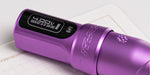
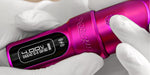
A true professional uses high-quality machines they’ve trained with to avoid overworking or over-traumatizing the skin. When the artist is well-trained and the equipment is high-quality, your skin stays safe and looks its best.
How to Reduce PMU Complications
Think of permanent makeup safety as a team effort. If you want beautiful results, treat the weeks before and after your appointment like your personal game plan for success.

1. Pick an artist who’s trained and certified in PMU
Being a great artist is only half of it—technical training is just as important. A real pro hasn’t just watched a couple of online videos. They should have actual certifications in PMU and know all the latest safety practices.
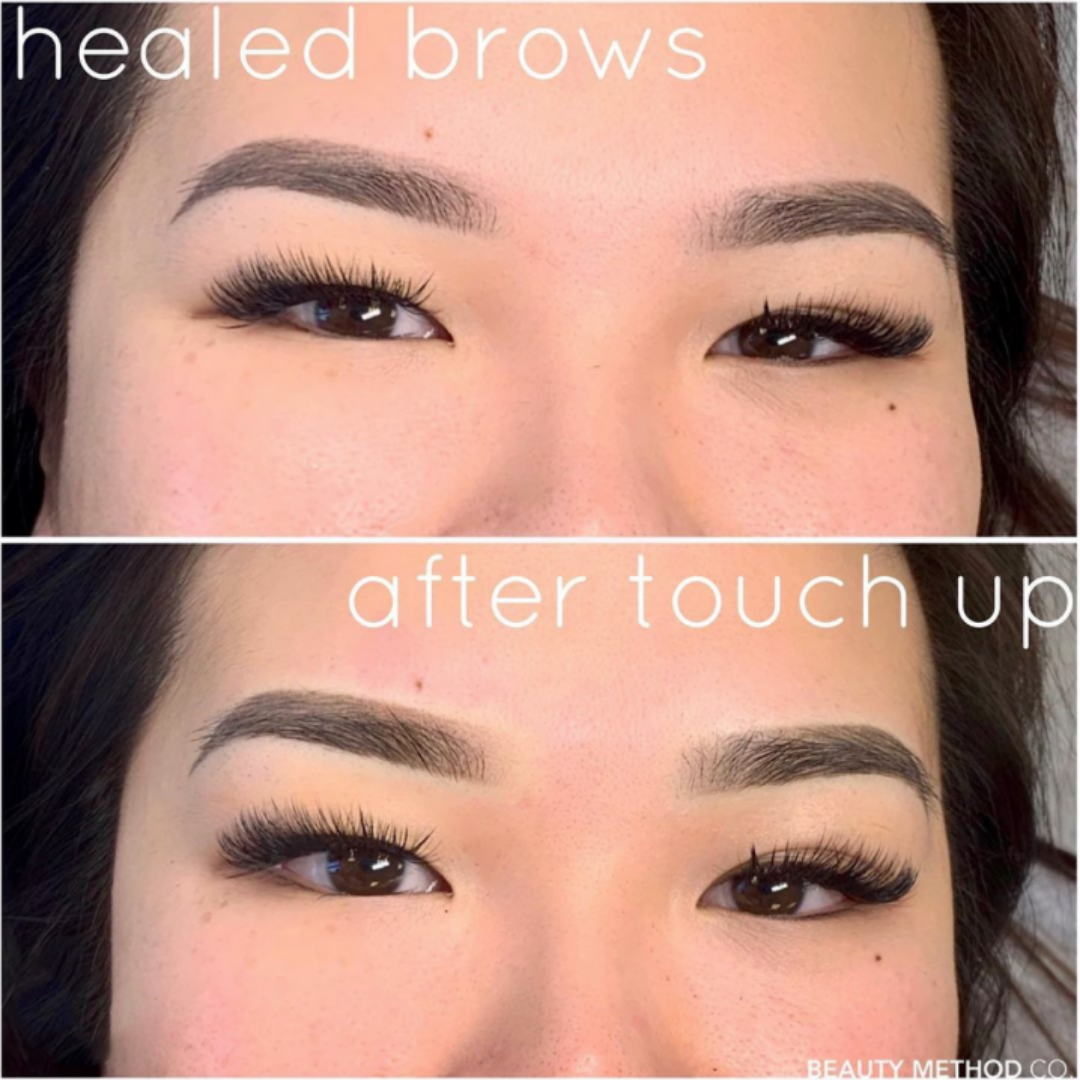
When you’re checking out artists, look for someone who keeps up with new skills and safety updates. This field changes quickly, so the best artists are always learning. Pay special attention to photos of healed work. Anyone can make a new tattoo look good, but healed results show you how it really lasts. When you meet with them, ask about their process and the tools they use. A good artist will be happy to explain everything.
Know the other red flags before you book
Don’t be afraid to walk away if something feels off. Trust your instincts. If you see any of these red flags during your consultation or when you arrive, it’s okay to leave:
- No intake form: If they don’t ask about your health or any medications you’re taking, they’re not looking out for your safety.
- Rushing: A good artist will take their time to map out your face and talk about what you want.
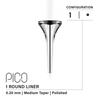
- Hidden tools: The artist should always open a new, sterile needle package in front of you. Professionals rely on high-quality cartridge needlesOpens a new window that come in individual, sterile packaging—if you don't see them opened fresh, don’t let them begin.
- Vague answers: If the artist can’t explain what’s in their pigments or where they come from, that’s a big warning sign.
- Low-ball pricing: If the price feels "too good to be true," they’re likely cutting corners on safety, training, or high-quality supplies.
- No clear policy: You should get easy-to-follow aftercare instructions and know exactly how touch-ups work before you leave.
- Heavily edited photos: If every photo in their portfolio is filtered or you can’t see real skin texture, you’re not seeing their true work.
3. Treat aftercare like it’s part of your appointment
The session isn't over when you leave the chair. In fact, your aftercare is what locks in your results and prevents complications. During the first week, it’s normal to see some swelling, slight flaking, and color changes—usually, the color appears much darker before softening into the final shade.
To help your skin heal well, make sure to avoid:
- Picking or scratching: This is the quickest way to scar or lose pigment.
- Sweating and soaking: Skip the gym, saunas, and swimming for at least 10–14 days after your procedure.
- Sun exposure: Keep fresh PMU out of the sun—UV rays can cause fading or undesirable color shifts.
Using the right aftercare products is just as important as avoiding the wrong activities. You can find a range of professional, skin-friendly options in our PMU aftercare collectionOpens a new window designed to support your skin during this sensitive time. If you notice a lot of swelling, pus, heat on the skin, or if you get a fever, reach out to your artist and your doctor right away. These are signs you need some extra help with the healing process.
Why Clients Prefer PMU

Despite the technical side of safety, more people are choosing PMU than ever before. It offers a level of convenience (and confidence) that traditional makeup can’t touch. Clients love it because:
- It builds confidence: You wake up with defined features that don’t wash off.
- It saves time: You can stop struggling with your eyeliner or brow pencil every morning.
- It’s precise: A professional can create a balanced, symmetrical look that’s hard to accomplish on your own.
Most Popular Application of PMU
If you’re ready to try it out, there are several safe options to choose from. Each one is designed to enhance your natural beauty.
- Permanent Eyebrows: Whether it’s microblading or powder brows, this is the most popular way to frame your face.
- Lip Blush: This gives your lips a soft tint and a more defined shape without looking "overdone."
- Permanent Eyeliner: This defines your eyes and makes your lashes look thicker.
- Restorative PMU: This includes things like scar camouflaging, which helps people feel more like themselves again.
Ready for PMU That Feels Safe From the First Set-Up?
Safe PMU starts before the first pass. It starts with tools you can trust, a setup that stays clean, and an artist who never cuts corners. That’s why so many professionals choose MicrobeauOpens a new window.
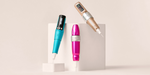
Our machinesOpens a new window are built for control, comfort, and consistent results, session after session. If you’re a client, ask your artist what they’re using and why. If you’re an artist, upgrade your workflow with equipment made for precision. Got questions? Visit our FAQs pageOpens a new window or reach out through our contact pageOpens a new window.