Ever wonder why your friend's PMU brows still look beautiful after two years, but someone else's faded quickly? That's permanent makeup longevity in action—it's not forever, but it's designed to last a long time with the right care.
In this guide, you’ll find clear answers about how long PMU lasts for brows, lips, eyeliner, SMP, and areola work. We’ll explain why results fade, and what realistic expectations you should have for long-term results and PMU touch-ups.
What “Permanent” Really Means in Permanent Makeup
PMU is designed to look beautiful for a long time, but it’s also intended to fade gently as the years pass. Unlike traditional tattoos, the main reason PMU isn’t truly permanent comes down to where the color is placed. While regular tattoo artists deposit ink deep into the skin, PMU artists place pigment only in the upper layers.
Your skin is constantly renewing itself—new skin cells grow while old ones flake away. Because PMU pigment sits in these upper layers, it gradually moves closer to the surface, causing the color to appear lighter over time. Factors such as sun exposure, your skin type, and the speed at which your body heals can all affect how quickly the color fades.
Why Fading Is Actually a PositiveThing
It might sound surprising, but it’s ] beneficial for your PMU to fade over time. As your face changes with age, a shape or color that suits you now might not be what you prefer in a decade. Since PMU gradually fades, your artist can make subtle adjustments during touch-up appointments to ensure you always look your best.
Understanding how your skin heals and how the color will change is a big step. It helps you set the right expectations before you book your session. Knowing what to expect and how to prepare for your first PMU appointmentOpens a new window will help you feel much more confident.
How Long Does PMU Last?

There’s no single answer to how long your permanent makeup will look its best. The lifespan of a cosmetic tattoo depends on the area being treated, the technique your artist uses, and the style you want to achieve. Some styles remain sharp for years, while others are designed to appear soft and airy from the beginning.
Brow PMU Duration (Microblading, Powder, Hybrid)
To answer the question “how long does PMU last?” we have to start with the technique.
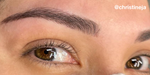
- Microblading: Since the pigment is applied in thin lines, it tends to fade a bit faster, usually needing a touch-up around the 12 to 18-month mark.
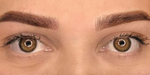
- Powder Brows: Because the pigment is denser, powder brows often last longer than microblading—sometimes up to 3 years.
- Hybrid Brows: This is a mix of both hair strokes and shading. It offers a balance of natural detail and lasting power, ranging from 1-1/2 to 3 years.
Your personal style also matters. If you love soft, natural brows, they might seem to "fade" sooner because the initial color was light. If you prefer a bolder, makeup-like look, the pigment will likely stay visible for a longer period.
Lip Blush and Lip PMU Longevity
If you're wondering how long does PMU last on your lips, you'll be happy to know it usually stays visible longer than brow work. On average, the permanent makeup longevity for a lip blush is about 2 to 5 years. Over this time, the color doesn't just disappear. Instead, it slowly softens into a natural-looking tint that blends with your own lip tone.
The specific shade you choose plays a big role in PMU fading:
- Nude and Soft Pinks: These natural tones look great from day one, but because they're closer to your skin's natural color, they might appear to fade sooner.
- Bright and Bold Tones: If you choose a vibrant red or a deep berry, the pigment is more concentrated. This means the color stays visible for a longer period before it starts to look like a soft stain.
What to Expect Over Time
Your healed results will change over the years.. Here’s a quick look at the typical timeline:
- At 1 Year: Your lips should still look fresh and defined. The color is usually at its best during this stage.
- At 3 Years: You'll likely notice the edges aren't as sharp, and the color has become much softer. This is when many clients feel it's time for a color refresh.
- Beyond 5 Years: While some pigment might still be there, it will look very faint. At this point, most people book a full touch-up to bring back the "wow" factor.
Eyeliner PMU Longevity
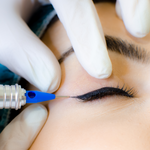
When it comes to the eyes, permanent eyeliner longevity is usually the most impressive. Because the skin on your eyelids is very thin and doesn't produce as much oil as your forehead, the pigment tends to stay put for a long time. You can typically expect a lash line enhancement or a classic liner to last several years before you notice it starting to soften.
The cosmetic tattoo lifespan for your eyeliner depends mostly on two things:
- Thickness and Depth: A very thin, natural lash enhancement might seem to fade sooner because there’s less pigment used. A thicker, bolder wing or a deep black liner will stay visible and dark for much longer.
- Color Choice: Black pigment is the most stable and lasts the longest. If you choose a soft brown or a charcoal gray, these colors will naturally soften into a lighter shade over a few years.
Scalp Micropigmentation (SMP) Longevity
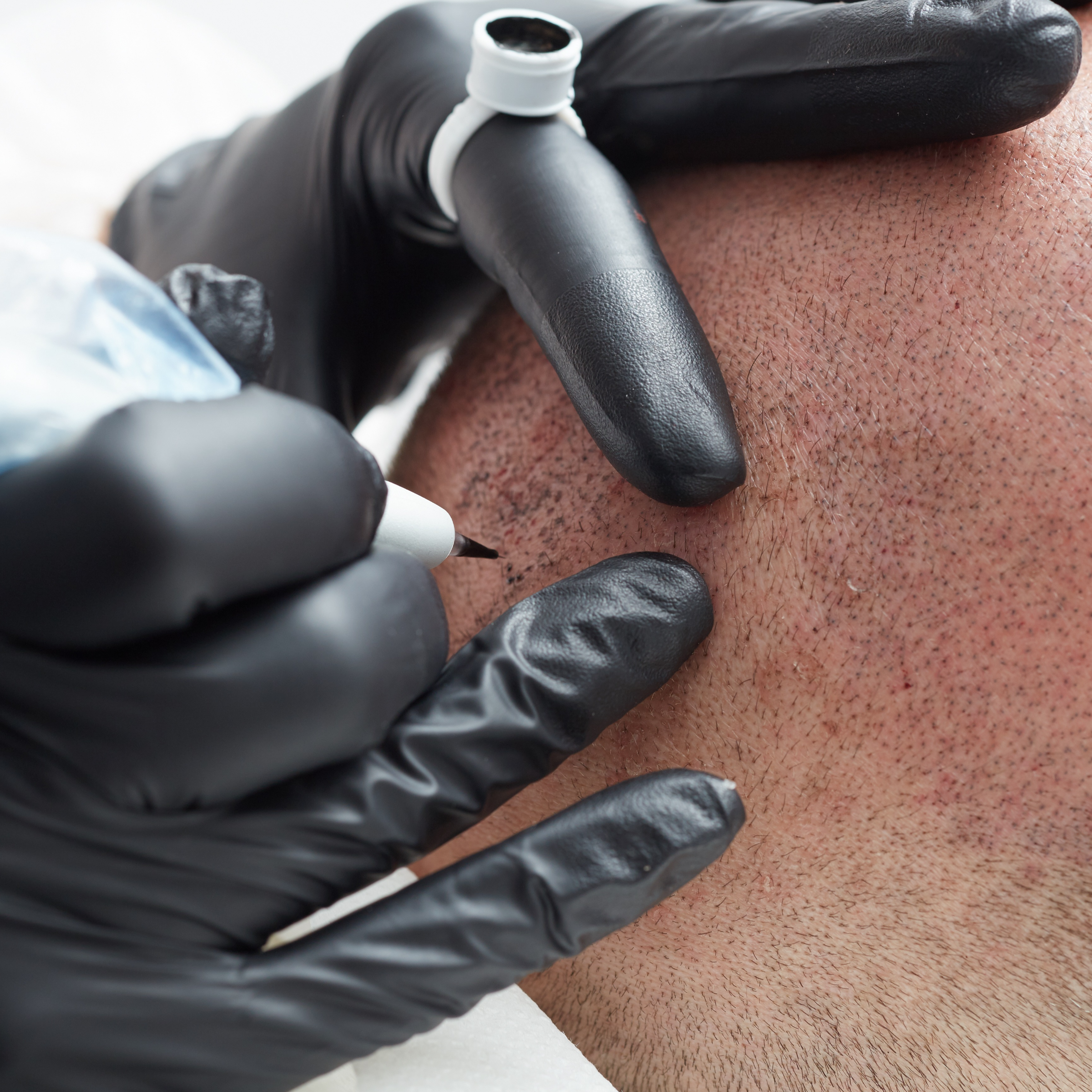
Scalp Micropigmentation (SMP) is known for the best staying power.While it follows the same rules of PMU fading, the SMP longevity is high because of the way the tiny dots of pigment are layered. Usually, you can expect your results to last between 3 and 7 years before the impressions start to look light enough for a refresh.
The cosmetic tattoo lifespan on the scalp depends on the density and the pattern your artist used:
- Pigment Density: If you had a high-density treatment to create a "thick" hair look, the color will stay visible longer.
- Pattern Work: As the skin ages and heals, those tiny, sharp dots of pigment will naturally soften. Over many years, they may expand slightly, which actually helps maintain the look of a full head of hair as the color lightens.
Areola and Restorative PMU Longevity
Areola and restorative work are themost specialized areas of permanent makeup. Typically, these procedures are intended for long-term wear and can stay visible for three to five years before they start to lighten. Just like other treatments, this cosmetic tattoo lifespan eventually leads to some softening. The pigment doesn't just disappear, but the edges and color depthslowly becomes more subtle over time.
Several factors affect how these results age:
- Color and Undertones: Restorative artists use custom colors to match your skin perfectly. Because these shades often have complex undertones, they can shift slightly as the skin heals and ages.
- Tissue Type: Restorative work is often done on scar tissue, which holds pigment differently than regular skin. This can sometimes mean the color fades a bit more quickly or requires an extra touch-up to get the density just right.
What Affects PMU Longevity and Fading?

When people ask, "how long does PMU last," the answer isn't just a single number. It's actually a combination of your body, your choices, and the products your artist uses. Several key factors determine if your look stays fresh for one year or five.
1. Skin Type and Skin Behavior
Your skin is the canvas for permanent makeup, and every canvas is different. For example, oily skin tends to produce more sebum, which can soften and blur pigment faster. This is especially true for brows, where hair strokes might lose their sharpness sooner than they would on dry skin.
Dry or mature skin often holds pigment very well, but because it's thinner, the artist has to be extra careful with depth. Other things that matter include:
- Medications: Some medicines can thin your blood or change how your skin heals.
- Skin Conditions: Issues like eczema or rosacea in the treatment area can affect how the pigment settles.
- Overall Health: A healthy body heals more predictably, which leads to better staying power for your color.
2. Lifestyle and Daily Habits
How you live your life has a huge impact on PMU fading.
Daily habits that play a role in fading:
- Sun exposure: UV rays break down pigment particles, causing them to fade much faster.
- Exercise and Sweating: Salt in your sweat can act like a light exfoliator over time.
- Swimming: Frequent exposure to chlorine or salt water can lighten the pigment.
- Beauty Routines: Vigorous makeup removal or a lot of friction on the area will wear the color down faster.
3. Pigment Type, Color, and Quality
Not all colors are created equal. Lighter, sheer tones—like a soft nude lip or a light blonde brow—will naturally fade faster than deep, saturated colors like dark brown or black.
The quality of the products also makes a massive difference. High-qualityOpens a new window PMU inksOpens a new window are specifically made to fade predictably and stay true to their color. This is why artists who invest in pro-level PMU machinesOpens a new window and high-quality cartridge needlesOpens a new window see more stable results. Using professional tools ensures the pigment is placed at the exact right depth, which is a huge part of what "Safe PMU" actually means.
4. Aftercare and Long-Term Skincare
The first 7 to 14 days after your appointment are the most important. During this healing phase, you have to protect the pigment while your skin closes over it. This means no picking, scratching, or early sun exposure. Following the specific PMU aftercareOpens a new window steps your artist gives you is the best way to lock in that color.
In the long run, your skincare routine matters too. If you have more questions about specific products, checking the FAQ pageOpens a new window is a great place to start.
PMU Touch-Ups: How Often Will You Need Them?
Most procedures include a "perfecting session" about 6 to 10 weeks after your first appointment. This isn't because the artist didn't do a good job the first time. It's because everyone's skin heals differently.
During the second visit, your artist can see how your skin holds the pigment. They'll use this time to fill in any lighter areas, refine the shape, and adjust the color depth. This session is what really locks in your look and helps improve the permanent makeup longevity.
How often you need a refresh depends on which area you had treated. Here are the typical timelines for most clients:
- Brows: You'll likely want a touch-up or a refresh every 12 to 24 months. Your skin type and how much sun you get will play a big role in how fast you notice PMU fading.
- Lips: You’ll need a color boost every 2 to 3 years. This helps bring back the vibrancy of the shade.
- Eyeliner: This is one of the longest-lasting areas, usually needing a refresh about every 3 to 5 years.
- SMP: Maintenance sessions for the scalp are typically needed every few years to keep the density looking sharp and realistic.
- Areola: These results are very long-lasting, though you might want a soft refresh after several years to keep the colors looking natural.
When to Ask About a Color Refresh or Correction
You don't need to wait until your makeup is totally gone to ask for a refresh. Here are a few signs that a color refresh or correction is needed:
- Dullness: The color doesn't have the same vibrancy it did after the first few months.
- Lightening: You find yourself using a brow pencil or lipstick more often to "fill in" the areas that used to look complete.
- Cooling Tones: Sometimes, as the warmer pigments fade, the remaining color can look a bit cool or gray. An artist can easily warm this back up during a refresh session.
- Loss of Detail: In procedures like microblading or SMP, the individual "hairs" or "dots" start to look softer and less defined.
Consult an Expert for Color Shifts
If you notice that your color is shifting in a way that feels unnatural, it’s a good idea to have an experienced artist take a look. They can determine if you just need a simple color boost or if a minor correction is necessary.
When you go in for your talk, it’s helpful to bring photos of your healed results from your first session. This gives the artist a clear picture of how your skin holds pigment and helps them plan the best path forward for your specific permanent makeup longevity.
How to Help Your Cosmetic Tattoo Last Longer
While your body will naturally process the pigment over time, there are plenty of ways you can slow down PMU fading. Taking care of your skin and making smart choices will help you get the most value out of your investment.
- Follow the Rules: Your artist gives you pre-care and aftercare instructions for a reason. These steps ensure your skin is in the best condition to receive and hold onto the color. Following PMU aftercare properly is the single most important thing you can do for your results.
- Use SPF Daily: Once your skin has fully healed, the sun becomes your biggest hurdle. UV rays break down pigment. Applying a high-quality SPF over your brows, lips, or scalp every morning will significantly extend the life of the color.
- Watch Your Skincare Ingredients: Products that "brighten" or "renew" your skin often contain acids, retinoids, or physical exfoliants. These are great for your face, but they'll pull pigment out of the skin if you apply them directly to the PMU zone.. Keep these products at least an inch away from your treated areas.
- Don't Wait Too Long: It’s much easier for an artist to refresh a shape that's still visible than to start from scratch. Booking a color boost while the pigment is still present leads to more even, predictable results.
Effortless Beauty, Everyday Confidence
Permanent makeup is an investment in your daily routine, your look, and your confidence. It's about looking like yourself, only much easier. And when you understand the care, skill, and training behind great results, choosing the right artist feels even more empowering. Curious what that journey looks like? See how permanent makeup artists start practicing as beginnersOpens a new window.
Ready to take the next step? Contact usOpens a new window today!