Dreaming of a career in permanent makeup, yet feeling utterly overwhelmed by the sea of conflicting advice? It’s perfectly natural to feel daunted by endless courses, pricey machines, and a lot of safety rules—all without a clear starting point. Rest assured, every top artist once stood precisely where you are.
This guide highlights the essentials of PMU, cuts through the confusion, and offers you an elegant, straightforward roadmap to launch your career with confidence.
So, What Exactly Is Permanent Makeup or PMU?
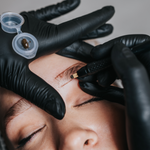
Permanent makeup is a refined art within cosmetic tattooing. Rather than traditional body art, a PMU artist employs meticulous techniques to enhance features such as brows, eyes, and lips. The goal? To achieve that soft, natural finish: flawless everyday makeup that lasts, so clients don’t have to constantly redo their look every morning.
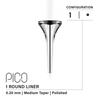
Artists work with delicate, specialized needlesOpens a new window to gently deposit pigment into the skin’s uppermost layer. The beauty of it all? Clients wake up day after day with perfectly shaped brows or tinted lips—no need to spend ages in front of the mirror.
The Most Common PMU Services

As a new artist, you’ll find yourself spoiled for choice when it comes to picking a specialty. Many top careers begin by perfecting just one or two of these in-demand services:
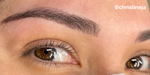
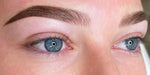
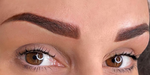
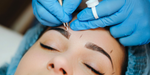
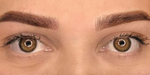
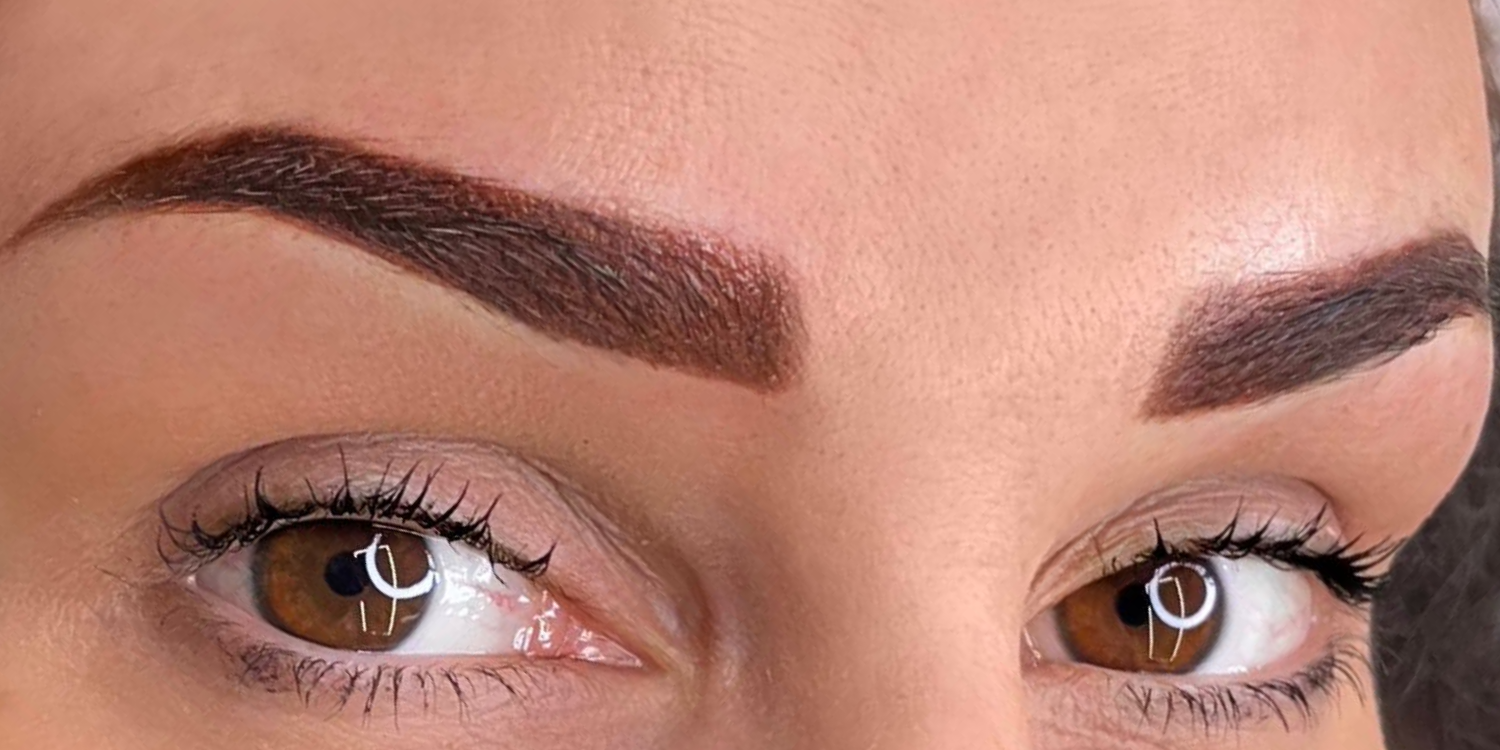
- Eyebrows: From microblading with a manual tool for those ultra-realistic hair strokes to powder brows crafted with a machine for a softly shaded finish, brow artistry is always in vogue.
- Lip Blush: This elegant technique imparts a soft wash of color and defines the lips’ edges, leaving them looking naturally fuller and radiantly healthy.
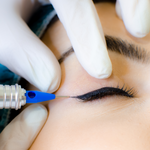
- Eyeliner: Whether it’s a subtle lash enhancement or a daring winged liner, this service makes every gaze unforgettable.
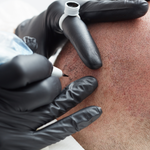
- Scalp Micropigmentation (SMP): This service creates the illusion of fuller hair by placing delicate pigment dots on the scalp, perfect for concealing thinning areas with style.
Who Are Your Target Clientele?
Knowing exactly who you want to reach helps you highlight your skills, build trust, and grow your business with a touch of elegance. As you begin this exciting journey, look for these groups who appreciate the ease and beauty of cosmetic tattooing:
- The Time-Savers: Busy professionals, parents, and students who want to cut down their morning routines and wake up looking put-together without lifting a finger.
- The Active Lifestyles: Fitness enthusiasts, swimmers, and athletes who need their makeup to stay completely smudge-proof through sweat and water.
- The Brow-Restorers: Individuals dealing with sparse, uneven, or missing brow hair due to over-plucking, aging, or medical hair loss.
- The Beauty Minimalists: People who love a soft, natural look and want to skip the daily hassle of filling in brows, applying eyeliner, or reapplying lipstick.
- The Accessibility Seekers: Clients with shaky hands, poor eyesight, or fine motor challenges who find traditional makeup difficult or frustrating to apply.
PMU vs. Traditional Tattoos
A common misconception among beginners is thinking cosmetic tattooing is just like traditional body tattooing. In reality, they’re quite different, especially in terms of depth, the tools used, and how the color changes over time.
|
Feature |
Permanent Makeup (PMU) |
Traditional Tattoos |
|
Skin Depth |
Shallow placement in the upper dermis layer |
Deeper placement into the lower dermis layer |
|
Tools Used |
Lightweight, specialized machines with low vibration |
Heavy-duty tattoo machines built for thicker skin layers |
|
Pigment & Ink |
Fine pigment particles designed to fade gracefully |
Intense, permanent inks meant to last forever |
|
Final Intent |
Soft, subtle enhancement that mimics natural makeup |
Bold, vibrant artwork that stands out clearly on the skin |
Because of these differences, PMU results aren’t truly permanent. The pigment gently fades over time, so clients will want to come back for refresh sessions every 1 to 3 years to keep their color looking fresh and beautiful.
Setting Expectations: Pain, Healing, and Color

Pain Levels and Comfort
Helping your clients know what to expect is an important part of your role. Everyone experiences pain differently, and some areas of the face are naturally more sensitive than others. To keep sessions comfortable, most artists use topical anesthetics before and during the procedure.
Healing and Color Changes
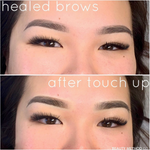
It’s also important to explain that healing comes with several visual changes. Immediately after the appointment, the pigment will appear darker and more defined. Over the following weeks, the skin may flake and the color will gradually soften.
This stage is completely normal, and clients shouldn’t panic if their brows, lips, or liner look uneven or overly bold at first. A slight color shift can also happen as healed skin settles over the pigment, which is why understanding color theory and skin undertones is such an important part of PMU education.
How to Start Your PMU Career
Choose the Right Training Program
A high-quality beginner course is usually the first step into the industry. Look for programs that include hands-on practice, safety education, live model experience, and guidance on licensing requirements in your area. Many artists also complete bloodborne pathogen certification before working with clients.
Practice Before Taking Clients
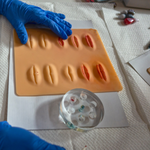
Most new PMU artists spend significant time practicing on latex skins before performing procedures on live models. This helps you build confidence with mapping, machine control, depth, and pressure while developing cleaner, more consistent results.
Build Your First PMU Kit
Once you’ve completed training, you can start building a professional setup with reliable tools and supplies. Many beginners look for versatile PMU machinesOpens a new window that offer steady performance and control while they continue refining their technique. Pairing your machine with quality cartridges and pigmentsOpens a new window can make the learning process much smoother.
Start Building a Portfolio
Documenting your work early is one of the best ways to grow your business. Clear before-and-after photos, healed results, and consistent social media posting can help attract your first clients. Many artists begin by working with models at reduced pricing while they continue improving their skills.
Delivering Great Results

What Makes PMU Look Natural?
Strong PMU results usually come down to balance, softness, and proper placement. Good work should enhance the client’s natural features rather than overpower them. Achieving that level of consistency takes practice, patience, and guidance from experienced mentors.
Red Flags to Watch For
As you explore training programs or local artists, pay attention to how professionals present their work and maintain their workspace. A missing portfolio, poor sanitation habits, or aggressive sales tactics can all be warning signs. Cleanliness, healed results, aftercareOpens a new window, and professionalism matter just as much as artistic skill.
Building a Long-Term PMU Career
Building a successful PMU career takes time, practice, and a willingness to keep learning, but for many artists, the creative freedom and independence make the journey incredibly rewarding. By choosing quality education, developing strong safety habits in PMUOpens a new window, and staying patient with your progress, you can build both your confidence and a loyal client base over time. To learn more about permanent makeup and how to get started, you can explore our blog on how to start practicing PMU skillsOpens a new window. Got questions in mind? You can check our FAQsOpens a new window for quick answers.