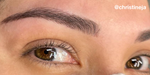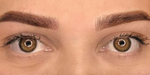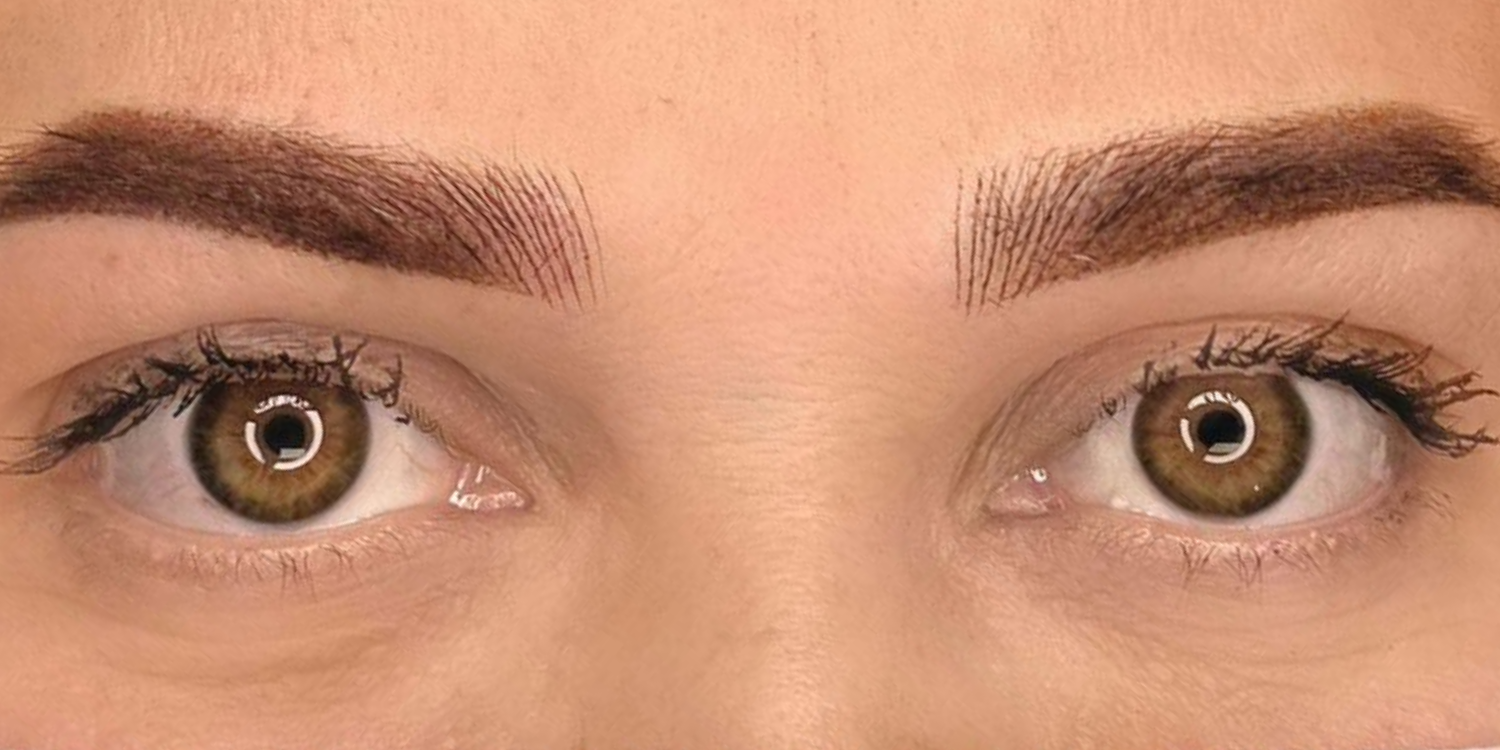
We've all seen the perfect "fresh" photos on social media. The brows are stunning, the lips are perfect, the color is ideal, and everything looks flawless. But it's important to remember that those photos only show the first few minutes of a long journey. Many clients and new artists don't realize that the final look is actually created during the healing process.
To help you understand what to expect, we're breaking down 12 of the most common PMU myths. Proper education is the best way to ensure you're happy with your results. It's also a big part of what safe PMU actually meansOpens a new window for your skin.
Myths About Color and Appearance
Don't let permanent makeup misconceptions about fading and pigment shifts steer you away from a look you'll love. Let’s clear up some common myths about how permanent makeup actually settles into your skin with these cosmetic tattoo facts.
1. Healed color looks exactly like day-one color
The Truth: Color always softens as it heals. On the first day, the pigment sits on top of the skin. As you heal, new skin grows over the pigment. This makes the color look lighter, softer, and cooler than it did when you left the studio.
2. Brows always turn red or orange after PMU
The Truth: While you might have seen "orange brows" on others, it's not inevitable. This usually happens because of poor color choice or low-quality pigments. When an artist uses high-quality pigments and understands skin undertones, the color stays true as it fades.
3. Lip blush always heals dark or super bright
The Truth: Don't panic if your lips look very bright immediately after your session. Lip blush often appears intense for the first few days. However, the color softens significantly once the flaking finishes. It usually settles into a natural, soft tint.
4. PMU should never change color over time
The Truth: Slight shifts in color can happen. Your lifestyle, sun exposure, and skin undertones all play a role. If you spend a lot of time in the sun, the pigment can break down differently. This is why regular maintenance is so important.
Myths About the Healing Process

The weeks after your session are just as important as the appointment itself. These common PMU healing myths often cause unnecessary worry during the natural recovery stages.
5. PMU results should look perfect immediately
The Truth: The healing process is part of the final result. You might go through a "bold phase" where things look too dark, or a "ghosting phase" where the color seems to disappear. That's why you should expect and prepare for your first PMU appointmentOpens a new window by knowing the timeline.
6. Touch-ups are a sign something went wrong
The Truth: Touch-ups are a standard and necessary part of the process. Every person heals differently. The second session allows your artist to fill in any light spots and perfect the shape. We call it a "perfecting session" for a reason.
7. Dark scabbing means something is wrong
The Truth: Some flaking or light scabbing is normal. It's how the skin responds to the procedure. As long as you don't pick at the area, it doesn't mean your results are ruined. You can find more details on this in our FAQ sectionOpens a new window.
Myths About Technique and Skin Type
Technique and skin type are two sides of the same coin. How an artist works depends entirely on the unique canvas they are given.
8. More passes = better retention
The Truth: This is a dangerous myth for new artists. Overworking the skin with too many passes can actually reduce retention and cause permanent damage to the tissue. Modern, high-performance PMU machines are designed to place pigment efficiently with minimal trauma.
9. All skin types heal the same
The Truth: Your skin type affects your healing. Oily skin might blur hair strokes faster, while dry skin might hold onto pigment longer. Skin thickness and your daily habits also change how the work settles. If you're an artist, learning to practice as a beginnerOpens a new window means learning how to adjust your technique for every client.
Myths About Longevity and Fading

It is helpful to know how your results will change as the months and years go by. Many people worry when they see their color start to lighten, but this is actually a normal and expected part of the journey.
10. Fading means the artist didn't do a good job
The Truth: Fading is actually intentional. Permanent makeup is designed to be semi-permanent. If it didn't fade, the shape and color wouldn't look right as your face changes with age. Fading is a safety feature that keeps you looking natural over time.
11. If it fades, it didn't take
The Truth: Some fading is necessary for a natural and even result. If the pigment doesn't fade at all, it was likely placed too deep in the skin. Proper depth is the key to a beautiful heal.
12. Good PMU should last forever
The Truth: The term "permanent" can be confusing. PMU is a form of cosmetic tattooing, but the pigments are made to break down gradually. This allows you to update your look every few years as beauty trends, and your own features change.
Ready to Create Your Best Healed Work?
Healed PMU truth comes from a mix of your talent and the tools you trust. You can start with our premium machinesOpens a new window,top-rated needlesOpens a new window, and high-quality inksOpens a new window that heal true to tone. Don't forget that your job continues even after they leave. Make sure to suggest professional aftercareOpens a new window to protect every stroke you make. Let's build something beautiful together: your clients deserve results that stay stunning for a lifetime. You're almost there now.