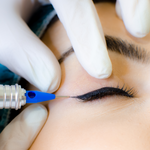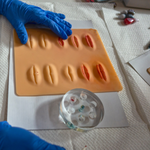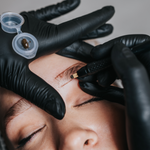
Choosing the wrong PMU machine is an expensive mistake that can slow down your growth. It’s frustrating to spend hundreds of dollars on a device that feels too bulky or doesn't give you the results you want. After all, you don't want to struggle with poor pigment retention while your clients wait for their perfect brows.
This guide simplifies the process of comparing machines and needles. You'll learn exactly which tools fit your skill level, your goals, and the services you offer.
Why Your PMU Machine and Needle Choice Matters
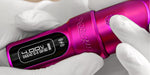
Your PMU machine is the engine. It controls stability, power delivery, and consistency. A high-quality machine gives you smooth, predictable performance so your hand can stay relaxed and precise through long sessions. When it’s well-built and properly tuned, it reduces vibration, maintains consistent speed, and helps you work with control instead of fighting your device. And because this is your career—not a hobby—durability matters. A premium machine is built to hold up under constant use without breaking down or losing performance over time.
Your needles (cartridges) do something completely different—they determine the outcome at the skin level. Needle configuration controls how pigment is delivered: crisp lines, soft shading, or even, controlled saturation. A high-quality cartridge ensures consistent ink flow, clean grouping, and predictable results with every pass. Lower-quality needles can drag, skip, or disperse pigment unevenly, which directly impacts healed results.
Microbeau PMU Machine Options

Choosing the right machine is a big step in your PMU career. Microbeau offers several options that fit different styles and skill levels.
A Quick Look at PMU Machine Types
Before we look at specific models, it's helpful to understand the basic styles of machines you'll see.
Most modern PMU machines share the same ergonomic “pen-style” design, so the real difference in machine type isn’t shape. It’s moreso how they’re powered, what tech they feature, and how that affects your workflow.
-
Wireless Machines
Wireless machines run on rechargeable batteries built directly into the device. They give you maximum freedom of movement with no cords to manage, which can make your setup cleaner and your hand positioning more flexible. They’re especially useful for artists who want mobility or a simplified workstation. The tradeoff is that they require battery management—charging, swapping, or monitoring power levels during longer sessions. -
Wired Machines
Wired machines connect to an external power supply. They deliver consistent, uninterrupted power throughout the entire session, which some artists prefer for long days or high-volume work. You don’t have to think about battery life, but you do have to manage the cord in your workspace.
The Microbeau Lineup
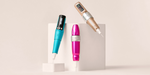
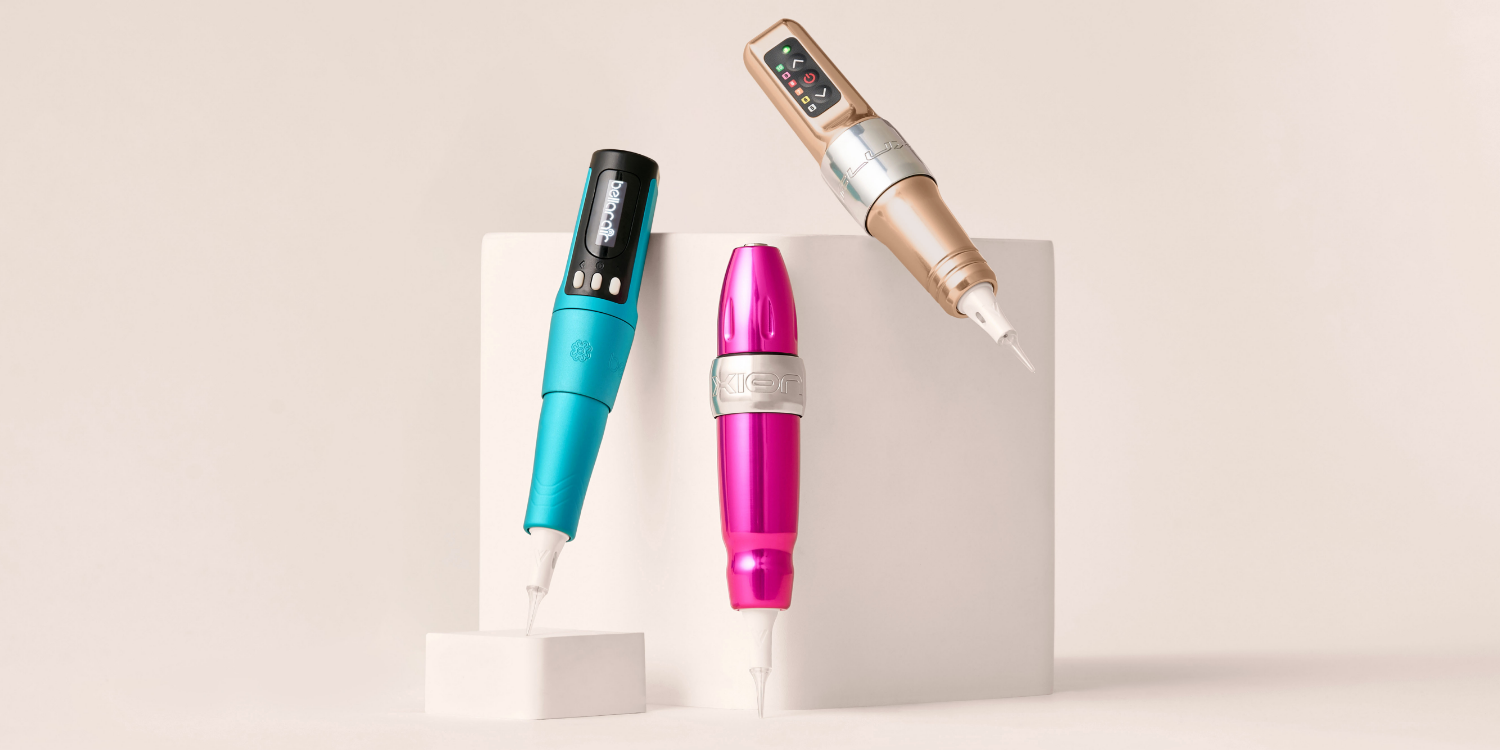
Every artist has different needs. Some prefer a corded setup, some prefer wireless, some prefer a straightforward machine with no frills, and others love game-changing tech. Let’s find the right one for you: here's how the main Microbeau machinesOpens a new window compare.
Microbeau Flux
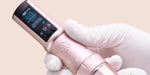
The FluxOpens a new window is a full-size wireless machine built around the PowerBolt battery system, giving you complete cordless freedom without sacrificing performance. It delivers strong, stable power with a slightly more substantial feel in hand compared to PMU-specific minis. That extra weight and torque can give some artists more confidence during longer sessions or when working through denser passes.
It’s best known for consistency across a wide range of procedures, making it a reliable “do-it-all” wireless option if you don’t want to think about cords or power supplies.
Best for: Growing to advanced artists who want a powerful, full-size wireless machine that feels closer to traditional tattoo setups
Microbeau Flux S
The Flux SOpens a new window is the more refined, PMU-specific version of the Flux system. It’s smaller, lighter, and more balanced for facial work, which makes a noticeable difference over long brow, lip, or eyeliner sessions. It keeps the same wireless PowerBolt foundation but trims down the size and weight for precision-driven control.
Where the Flux feels more universal, the Flux S is built specifically around fine, detailed cosmetic work.
Best for: Beginner to growing artists focused on brows, lips, and eyeliner who want a lightweight wireless setup
Microbeau Xion S
The Xion SOpens a new window is a wired, RCA-powered machine known for its stability and consistency. Because it’s directly powered, it removes battery variability entirely, giving you a very steady, controlled feel from start to finish. This makes it especially useful for artists who value predictability in needle response and pigment delivery.
It also offers adjustable stroke options, making it flexible enough to move between different PMU techniques while staying grounded in a controlled setup.
Best for: Artists who prioritize maximum control and consistency in a wired, no-battery workflow.
Microbeau Bellar
The BellarOpens a new window is a lightweight, simplified wired machine designed to make PMU feel more approachable without sacrificing professional performance. Its slim profile and smooth operation help reduce overwhelm, especially for newer artists or those refining their technique. It’s intentionally less complex than higher-end adjustable machines, focusing instead on comfort, control, and ease of use.
It’s the kind of machine that helps you focus less on settings and more on developing clean, consistent technique.
Best for: Beginner to intermediate artists who want a lightweight, easy-to-control wired machine.
Microbeau Machine Comparison
This table helps you see which machine fits your current needs at a glance.
|
Machine |
Best For |
Power Style |
Artist Level |
Main Strength |
|
Flux |
Flexible PMU work |
Wireless |
Growing to advanced |
Freedom of movement |
|
Flux S |
Compact PMU setups |
Wireless |
Beginner to growing |
Smaller, PMU-focused feel |
|
Xion S |
Controlled station work |
Wired |
Growing to advanced |
Stable pen-style control |
|
Bellar |
Training and early services |
Wired or setup-dependent |
Beginner to intermediate |
Easy control and comfort |
Stroke Length Differences Across PMU Machines
Stroke length is the distance the needle bar travels from its highest point to its deepest point in each cycle. In practice, it influences how forcefully and efficiently pigment is delivered into the skin. Shorter strokes tend to feel softer and more controlled, while longer strokes deliver more power and saturation per pass—affecting how the machine behaves and how quickly you can build color.
Let’s break down common stroke lengths you’ll find on different PMU machines.
Short stroke (1.8mm–2.5mm)
If you like working slowly and building up color, this is your sweet spot. It’s gentle on the skin and gives you control with every pass—ideal if you prefer a lighter touch.
Medium stroke (2.7mm–3.0mm)
Looking for something balanced? Medium strokes give you power, stability, and control. You’ll get more pigment with each pass while still keeping things safe—great for different techniques.
Long stroke (3.5mm–4.0mm+)
Want speed and strong saturation? Go for a long stroke. It’s powerful and direct, so you can move fast and fill color with fewer passes. Best for experienced artists with a steady hand.
From Machine Behavior to Needle Control
If stroke length determines how your machine delivers pigment, your needle choice determines what that pigment delivery actually looks like in the skin.
Now let’s break down how needle configurations refine that result even further.
Vertix Needle Options: Nano, Micro, and Standard
Vertix needles are a favorite for PMU artists because they're built for high precision. They help you get the exact look you want while keeping the skin healthy.
What Makes Vertix Nano Needles Stand Out
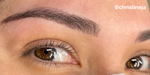
Vertix Nano needles are very thin and delicate. They're the optimal choice if you want to create soft pixels or super-precise fine details, like hair strokes. Because they're so small, they give you total control over where every drop of pigment goes.
Comparing Nano, Micro, and Standard Cartridges
It's important to know the difference between these three types so you can pick the right one for your style.
Nano Cartridges
Nano configurations use the finest needle groupings and smallest diameters, designed for extremely controlled pigment placement. They’re commonly used for techniques that require soft, natural-looking detail—especially hair strokes and pixel-style shading.
Because they deliver a very light pigment load per pass, they give maximum control but require more layering to build saturation. Vertix Nano cartridges are also designed with a clear, slim “hummingbird” tip profile, improving visibility and reducing excess pigment buildup or splatter during fine work.
Best for: crisp hair strokes, nano brows, ultra-soft pixel shading
Micro Cartridges
Micro configurations sit between Nano and Standard in both needle grouping density and pigment delivery. They’re designed to give artists more efficiency than Nano without jumping into full saturation territory.
In practice, they allow you to build color faster while still maintaining controlled detail, making them a common “everyday workhorse” option for brows and soft shading styles.
Best for: hybrid brows, soft shading, controlled layering work
Standard Cartridges
Standard configurations use denser needle groupings, meaning they deliver more pigment per pass and create a stronger deposit in the skin. This makes them better suited for areas where coverage and efficiency matter more than ultra-fine detail.
They are typically chosen when artists need more saturation, faster color build, or broader shading applications, especially in lips or larger fill areas.
Best for: lip blush, fuller shading, higher-coverage PMU work
Understanding Needle Configurations
The "configuration" of a needle is just the way the needlesOpens a new window are grouped together. Different shapes do different jobs.
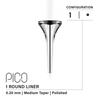
Round Liners (RL)
Round liners are grouped in a tight circle. They're the best tool for creating sharp lines, fine hair strokes, and clear eyeliner.
Round Shaders (RS)
Round shaders are grouped in a circle too, but the needles are spread out more. This makes them great for soft shading on brows and gentle color on the lips.
Magnums and Large Groupings
These needles are arranged in rows. They're used for broad coverage and filling in large areas. They're often a great choice for experienced artists who want to finish lip procedures quickly and evenly.
Choosing a PMU Setup That Works for You

Picking the right needles and corresponding configurations is a journey. You don't have to buy everything at once. Instead, you can build your PMU setup as your skills grow and you offer more services. Use this guide to pair Microbeau machines with Vertix needles for the best results.
The best setup is the one that gives you confidence. You don’t need advanced gear right away. Start by mastering a stable machine like the Bellar. As you improve, try more needle sizes, wireless options, and different stroke lengths.
- If you’re a beginnerOpens a new window, focus on hand control. Keep your setup simple and use a stable machine.
- If you’re expanding your services, build setups for brows, lips, and eyeliner. This is a good time to try wireless machines for flexibility.
- If you’re advanced, match your tools to skin types, techniques, and your service goals.
Hygiene, Safety, and Cartridge Compatibility Basics
Keep your station clean and your clients safe to build trust. Always use a sterile, single-use cartridge for every client. Check packaging before opening—if it looks damaged, use a new one. Never reuse cartridges. It's also helpful to understand is PMU safe and what safe PMU actually meansOpens a new window so you can explain the process to your clients with confidence.
Drop used cartridges into a sharps container right after each session to avoid injuries. Double-check that cartridges fit your machine before you begin.
Follow local health rules and studio standards, and stay up to date with your training. After the session, give your client clear aftercareOpens a new window instructions so they heal safely and get the best results.
Find the Tools That Feel Right for Your Hands
Choosing your setup is a significant part of your journey as an artist. It’s normal to have questions. Whether you’re just starting or ready to try something new, you should feel confident every step of the way.
Want more info on PMu machines and needles that can elevate your work? Check our FAQOpens a new window. Not sure what setup fits your style? Reach out to usOpens a new window. We can’t wait to see what you create.