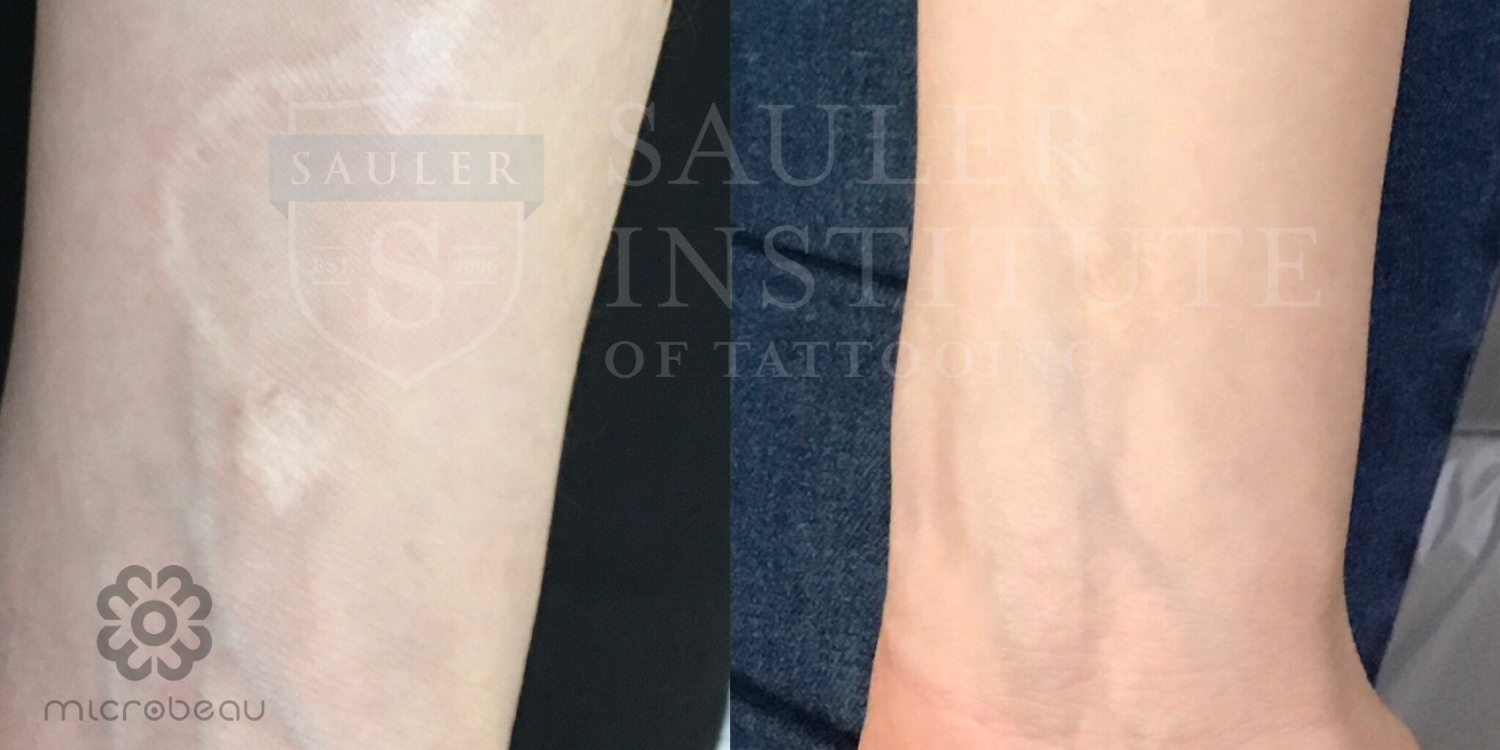
If you’ve got a mark from an old surgery or an injury that makes you feel a bit self-conscious, you aren’t alone. That’s exactly why scar camouflage PMU has become such a game-changer.
It’s a specialized way to blend those marks so they don't stand out so much. It isn't about making a scar disappear like magic. Instead, it’s about helping the color and texture match the skin around it so you can stop worrying about it. Here is the lowdown on how to hide scars with a tattoo and what you can expect from the process.
What Is Scar Camouflage PMU and How It Helps Hide Scars
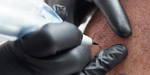
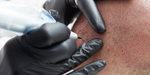
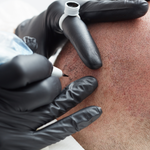
Scar camouflage is a type of medical tattooing. Unlike a regular tattoo that uses bright colors and art, this method uses skin-toned pigments. An artist carefully places these pigments into the scar tissue to make it blend with your natural skin tone.
The goal is to make the area look uniform. This takes a lot of care because scar tissue isn't like normal skin. It can be tougher, thinner, or even more sensitive, so it needs a very precise touch. You can learn more about the safety standards we follow in our guide on what safe PMU actually meansOpens a new window.
The Best Types of Scars for Cosmetic Tattooing

Not every mark is a good fit for this pmervice. This technique works best on scars that are flat and lighter than the skin around them. If a scar is white or very pale, PMU artists can add color back to help it blend in.
Common types of scars artists treat include:
- Surgical Scars: Marks from C-sections, knee surgeries, or facelifts.
- Injury Scars: Old cuts, scrapes, or burns that have finished healing.
- Stretch Marks: These are very common, and many people use PMU for scars to soften their appearance.
If a scar is darker than your skin, adding pigment won't help. In those cases, other treatments might be better to lighten the mark before we try to camouflage it.
Using Scar Camouflage for Scalp Scarring and Hair Loss
PMU professionals sometimes specialize in Scalp Micropigmentation (SMP) for clients dealing with hair loss. If you’ve had a hair transplant, you might have small scars on the back of your head that show up when your hair is short. It can be a real blow to your confidence.
We can use cosmetic scar solutions to fill in those spots. By using a mix of scar camouflage and SMP, we can hide the scar and make your hair look thicker at the same time. If you want to know more about hair thinning solutions, read the ultimate guide to SMP for hair lossOpens a new window.
Why Multiple Sessions Are Necessary for Tattooing Scars

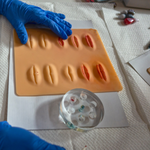
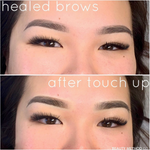
You'll need a few visits to achieve the best, most natural looking results. Scar tissue is tough and it doesn't always take pigment well on the first try. Most people need two to four sessions to get the right blend when tattooing scars.
During the first visit, the artist will be conservative. We want to see how your skin heals and how the color looks once it's settled. If we go too dark too fast, it's very hard to fix later. We space these visits out several weeks apart to let the skin fully recover. You can find more about the timing of these sessions on our FAQ pageOpens a new window.
When Scar Camouflage PMU Is Not Recommended for Skin
Safety is always the most important part of any PMU procedure. There are some scars that are more difficult to cover or present complications with even the most experienced PMU artists. These include:
- Raised or Keloid Scars: If a scar is thick and bumpy, the pigment can make the texture look worse.
- Active Scars: If a scar is still red, pink, or purple, it's still healing. We must wait until it turns white or pale.
- Unhealed Marks: A scar should be at least one to two years old before we touch it with a needle.
Tattooing a scar that's still healing can cause more damage. It's always best to wait until the tissue is stable. If you're an artist providing these services, using the best-selling machinesOpens a new window and top-rated needlesOpens a new window is key to protecting your clients' skin.
Finding the Right Tools for Professional Scar Camouflage
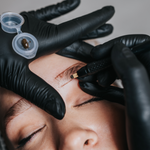
The success of scar camouflage PMU depends on the skill of the artist and the quality of the equipment. Because scar tissue is so sensitive, artists use machines that allow for very precise depth control. Using high-quality inksOpens a new window that won't change color over time is also essential for a natural look.
Once the procedure is done, the way you treat the area at home matters just as much as the work done in the studio. Proper PMU aftercareOpens a new window keeps the pigment stable and helps the skin stay healthy during the healing phase.
If you're ready to see how this process can change your look, reach out to a professional who specializes in restorative work. It's a small change that can make a huge difference in how you feel every day.