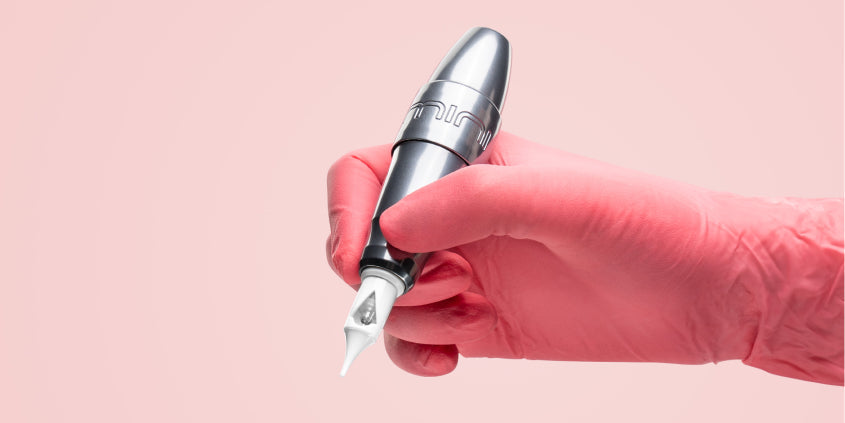
Machine weight can affect how a PMU machine feels in your hand, but lighter doesn’t automatically mean more comfortable. Balance, grip, and overall design all play a role in how easy a machine is to control through a full procedure.
So, is lighter actually better? Not always. Here’s what weight changes, where balance and grip come in, and how to choose a machine that fits the way you work.
Does PMU Machine Weight Actually Matter?
Yes, but it’s only part of the story. Machine weight affects how much your hand and wrist have to manage throughout a procedure. Over a longer appointment, even a small difference in weight can become noticeable.
But lighter doesn’t always mean easier to handle. How a machine feels and moves in your hand also depends on its balance, grip, size, and power setup.
When comparing PMU machines, consider:
- Total weight
- Weight distribution and balance
- Grip diameter and shape
- Machine length
- Wired or wireless power
Microbeau’s PMU machine comparisonOpens a new window puts weight alongside grip size, stroke, and power style, giving you a better picture of how different machines compare before you choose one.
Total Weight vs. Balance: They’re Not the Same Thing
Total weight tells you how heavy a machine is. Balance tells you how that weight is distributed.
A machine’s center of mass is the point where its weight is most concentrated. Where that point falls can affect how the machine feels and handles in your hand.
Different weight distributions can feel noticeably different:
- Front-weighted: More weight sits near the grip and cartridge. Some artists prefer the more planted feel, while others may feel like the machine wants to tip forward.
- Center-weighted: More of the weight sits near your grip, which can make the machine feel balanced and easier to maneuver.
- Rear-weighted: More weight sits toward the top or back of the machine. Some artists like the counterbalance, while others may notice it more when working at an angle.
Machine length can also affect how you experience that balance. The farther the machine’s weight extends from your grip, the more noticeable it may feel as you move and angle the machine.
A shorter machine keeps its components closer together, but shorter isn’t necessarily better. Some artists prefer a longer machine that rests against the hand for an additional point of contact. Where you hold the machine matters, too. Shifting your hand slightly higher or lower on the grip can change how balanced it feels while you work.
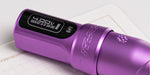
The Xion Mini is a clear example. Microbeau designed this 3.1-ounce machine with a compact body and a center of mass intended to support balanced handling. The Xion Mini’s centered designOpens a new window shows why a weight figure never tells the full story.

Why Wireless Machines Can Change the Equation
Power setup can also affect a machine’s weight and balance. Wireless machines have a built-in battery, which adds weight to the machine itself. Wired machines don’t require an onboard battery, so they’re often lighter but require a cable and external power supply.
Battery placement can make two wireless machines with similar weights feel very different. On a longer machine, a battery positioned toward the top may make the machine feel more rear-heavy. On a more compact machine, the battery sits closer to your grip, which can change the overall balance.
Wireless machines also eliminate the cord, giving you more freedom to move and reposition as you work. That can make a wireless machine feel easier to maneuver even if it weighs more than a wired option.
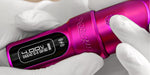
The Flux MiniOpens a new window, for example, brings wireless power into a compact, balanced body. Weighing in at only 3.74oz (106 grams), this machine lets artists maneuver easily without getting tangled up in cords (or hand fatigue.)
Wired machines, on the other hand, can be lighter because there’s no onboard battery. There’s also no battery life to keep track of during longer procedures. For artists who don’t mind working with a cord, a wired machine can still offer a lightweight, comfortable setup.

Grip Diameter Matters Just as Much as Weight
Grip diameter can make a big difference in how a machine feels in your hand. Slimmer grips may suit smaller hands, while wider grips can feel more comfortable for artists with larger hands or those who prefer a more relaxed grip.
Shape matters, too. Tapered grips give you more flexibility in where you hold the machine, while straight grips maintain a more consistent diameter.
Keep barrier protection in mind when comparing grip sizes, since wrapping can add some thickness. Ultimately, look for a grip that feels secure and easy to control without requiring you to squeeze harder than necessary.
Where Lightweight Construction Can Make a Difference
PMU procedures require frequent, precise changes in angle and direction. A lighter machine can take less effort to maneuver, making it feel more agile during hairstrokes, pixel work, and detailed borders.
But weight is only one factor in hand fatigue. Grip, wrist position, posture, vibration, technique, and procedure length all affect comfort. If you’re gripping too tightly or working at an awkward angle, shaving a few grams off your machine may not make much difference. The goal is a setup that feels comfortable and controlled throughout the procedure.
When Heavier Can Actually Feel Better
Some artists prefer a heavier machine because it can feel steadier and more controlled during slow or repetitive movements. Others may find that same weight tiring, especially during longer procedures. Much of it comes down to personal preference and what you’re used to working with.
Machine weight shouldn’t determine your depth or pressure, though. Those depend on your technique, including hand pressure, angle, stretch, speed, and needle hang.
Don’t Shop by Machine Weight Alone
Specs are a useful starting point, but the best way to judge a machine is to feel it in your hand. Pay attention to its overall balance, how naturally the grip fits your hand, and how easily you can maneuver it at different working angles.
When comparing machine weights, make sure you’re comparing similar setups. A wired machine body and a wireless machine with its battery installed won’t necessarily represent the same ready-to-work configuration.
Whenever possible, demo the machine with a cartridge installed and hold it the way you normally work. Move through a few typical angles and motions to get a better sense of its balance and comfort. A quick demo can’t replicate a full procedure, but it can help you rule out a machine that immediately feels awkward or uncomfortable.
Find the Machine That Moves With You
The right setup starts with understanding what your hand and technique need from a machine. Our best-selling PMU machinesOpens a new window include different weights, grips, power setups, and controls because artists don’t all create in the same way.
The goal isn’t necessarily the lightest PMU machine. It’s the machine that feels balanced in your hand, supports your technique, and lets you focus on the beautiful work in front of you.